


Bone grafts
Dental bone grafts rebuild and preserve your jawbone's density and strength. For patients across Stittsville, Kanata, and West Ottawa, this vital procedure provides a secure, healthy foundation for future dental implants and protects your natural facial structure after tooth loss.
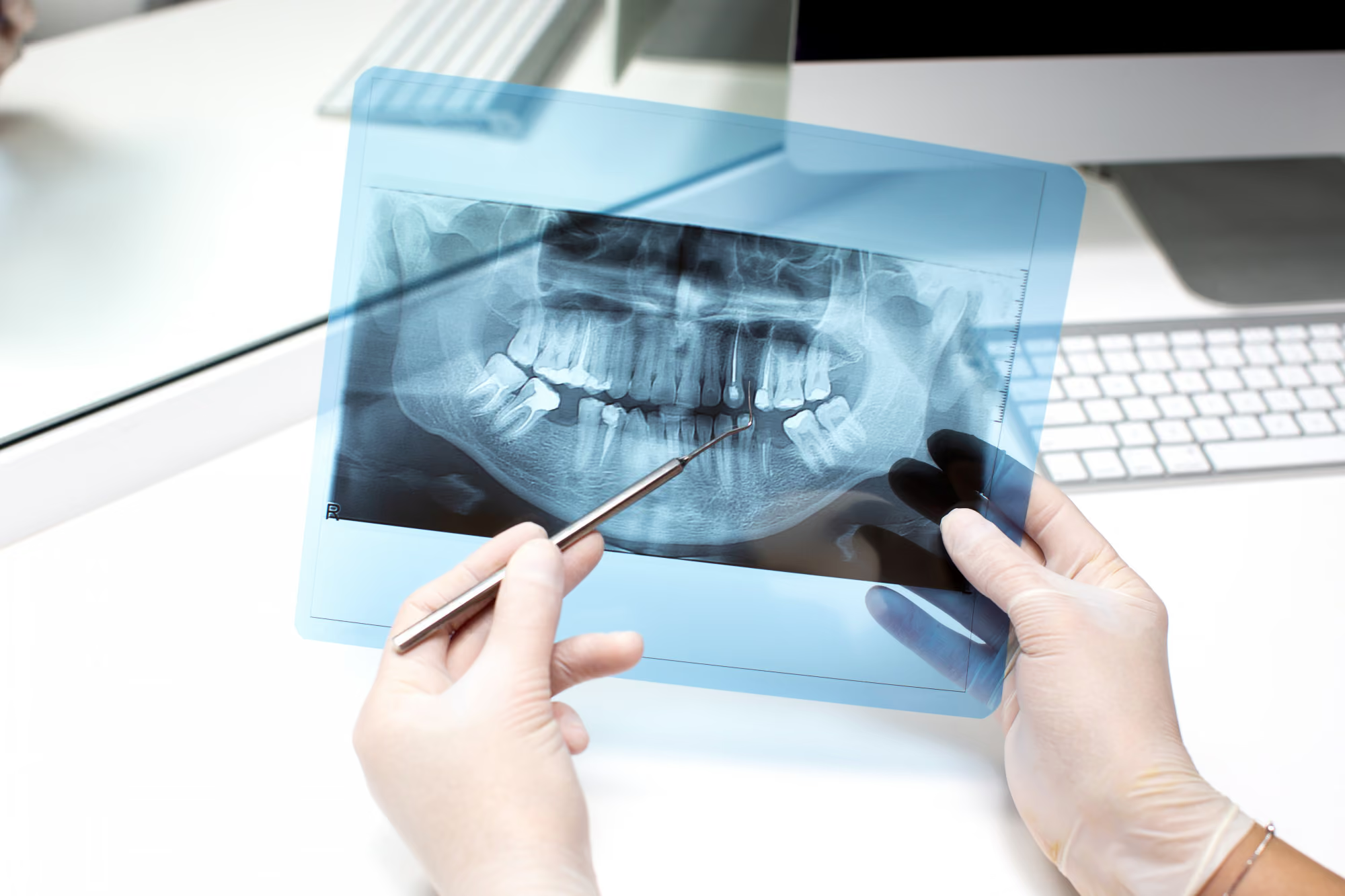
Building a strong foundation for your smile
Your jawbone requires constant stimulation from your teeth to maintain its density and strength. When a tooth is lost or extracted, the bone in that area naturally begins to resorb, or shrink. A dental bone graft is a highly effective procedure designed to rebuild this lost bone, creating a solid and secure foundation for your long-term oral health.
At Luminara Dental, we ensure your jaw has the necessary support to maintain your natural facial contours and prepare your mouth for successful restorative treatments.
Why might you need a dental bone graft?
Bone grafting is a routine and predictable procedure that provides several crucial structural benefits:
- Preparing for Dental Implants: A dental implant requires a certain volume and density of bone for successful placement. If your jawbone is too thin or soft, a graft provides the necessary anchor to keep the implant secure for a lifetime.
- Preserving the Socket After Extraction: When we perform tooth extractions, we can immediately place grafting material into the empty socket (known as socket preservation) to prevent the bone from collapsing as it heals.
- Halting Periodontal Disease: Advanced gum disease can erode the bone supporting your teeth. Grafting can help regenerate this lost bone, stabilizing your existing teeth and preventing further loss.
Collaborative care in Stittsville and West Ottawa
Your safety and comfort are our top priorities. Depending on the complexity of your case, we may perform minor bone grafting (such as socket preservation during an extraction) right here at our Stittsville clinic.
For more complex grafting procedures, we utilize our team-based approach. We will refer you to a trusted local specialist—such as an oral surgeon or periodontist in the Stittsville, Kanata, or Richmond areas—while carefully coordinating your treatment plan behind the scenes so your transition from surgery back to our clinic for final restorations is seamless.
The bone grafting process: What to expect
If you require a bone graft, here is what the process generally involves:
- Consultation and Imaging: We take detailed digital x-rays and assess the health of your jawbone to determine the exact location and amount of grafting material needed.
- The Procedure: The area is completely numbed for your comfort. The grafting material—which acts as a scaffold—is safely placed into the area where bone is lacking.
- Healing and Integration: Over the next several months, your body will naturally deposit its own new bone cells into the grafted area, creating a strong, fully integrated foundation.
- Next Steps: Once fully healed, the site is ready for the next phase of your treatment, such as the placement of an implant post.
Frequently Asked Questions (FAQ)
Does a dental bone graft hurt?
Your comfort is always our focus. The area is thoroughly numbed with local anesthesia before the procedure begins, so you will not feel pain during the placement. You may experience some mild swelling or soreness for a few days afterward, which can easily be managed with over-the-counter pain relievers and rest.
Where does the bone grafting material come from?
There are several incredibly safe options used today. Most often, we use safely sterilized, processed bone minerals (allograft or xenograft) or advanced synthetic materials (alloplast). These materials act as a temporary framework that encourages your body’s natural ability to grow its own new bone.
How long does a bone graft take to heal?
While the initial gum healing only takes a few weeks, the deeper process of new bone integration (osseointegration) typically takes between three to six months. We will monitor your progress closely to ensure the area is perfectly dense and ready before moving forward with implant irestorations.
Need to rebuild your smile's foundation? Book an appointment with our Stittsville team today to evaluate your jawbone health and discuss your personalized treatment plan.
Check other dental care treatments
Maintenance
The quiet, preventive work that keeps dentistry simple — steady hygiene and protection over time.
Repair
Restoring form, comfort and strength when a tooth has been worn, decayed, fractured or lost.
Transformation
Cosmetic dentistry shaped around your face and proportions — natural first, always.

Ready to Meet Our Team?
Book your appointment today and experience the Greely Family Dental Care difference.

Asked and answered.
The things people ask on the phone before they book — written out properly, so you don't have to ask them.
Are you accepting new patients?
Yes — new patients of every age are welcome, and we're taking bookings now. Call (613) 836-1333 or email the office and we'll find you a time, usually within the same week.
What should I bring to my first visit?
- Your insurance details, if you have coverage
- A list of any medications and supplements you take
- Recent x-rays from a previous dentist, if you can get them sent over
- Anything you've been worrying about, written down — people forget once they're in the chair
If you don't have any of it, come anyway. We'll sort it out from here.
How long does a first appointment take?
Plan for about an hour. That covers a full exam, any x-rays we need, a periodontal check, an oral cancer screening, and time to actually talk through what we found. If a cleaning fits the same day, we'll do it — otherwise we'll book it close by.
Do you see children?
We do, and we're glad to book families together. A first visit for a young child is short and mostly about them getting comfortable in the room — counting teeth, looking at the tools, sitting in the chair. Nothing happens that we haven't explained to them first.
Do you accept my insurance?
We accept most traditional insurance plans — call the office and we'll confirm yours specifically. Our staff verifies your coverage, submits pre-estimates where it's useful to know the number in advance, and files your claims so you're reimbursed.One thing worth understanding: your policy is a contract between you and your insurer, not between us and them. We'll do everything we can to maximise what you get back, but the terms are theirs.
Will I know the cost before treatment starts?
Always. You get the options and the costs in writing, with your insurance portion estimated, before anything begins. If we find something unexpected mid-treatment, we stop and talk to you rather than carrying on and adding it to the bill.
How can I pay?
Cheque, cash, or major credit cards. You can also call the office to make a payment or to talk through your options if the timing is difficult — it's a conversation we have often and there's no awkwardness in it.
What if I have no insurance at all?
You're just as welcome. We'll give you the full cost up front and, where there's more than one clinically sound way to treat something, we'll tell you what each one costs and let you decide. Plenty of our patients pay out of pocket.